

Thanks. Anytime — good luck with it! Nice logo! 🙌
A member registered Sep 10, 2018 · View creator page →
Creator of
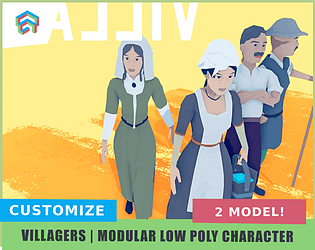
2 rigged & animated low poly medieval villagers — Village Man & Woman. 24 animations
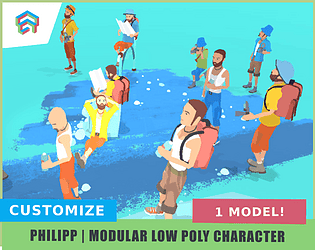
Low-poly Tourist & Sportsman characters. Includes modular outfits, 6 props, 10 animations, and 12 prefabs
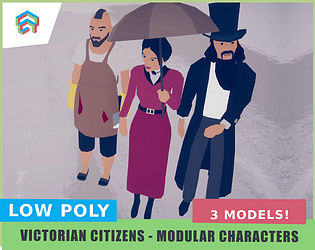
3 rigged & animated low poly Victorian citizens — Citizen Male, Citizen Female & Butcher.
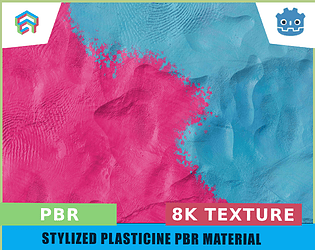
High resolution tileable (seamless) Plasticine Texture made in Substance.
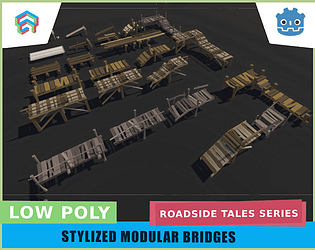
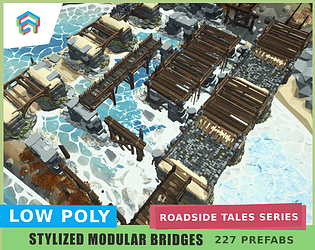
21 handcrafted low poly bridges with optimized colliders. 5 types, multiple variants.
glb, gltf, fbx, blend, unity, fbx formats
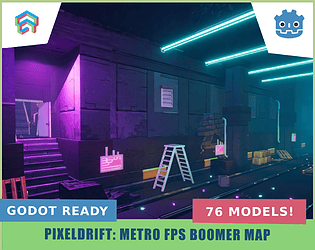
76 prefabs | PRO Demo | Hand-painted pixel art subway | Boomer FPS/VR | VR-tested | Unity, Godot | PixelDrift Free
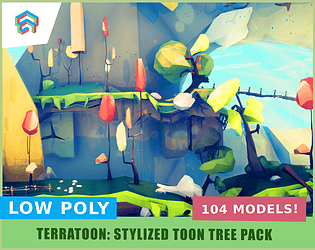
Exclusive hand-crafted tree and terrain pack with 104 unique prefabs for stylized, fantasy, and platformer environments.

Kompletny zestaw materiałów plastelinowych opartych na plikach PNG w rozdzielczości 8K.
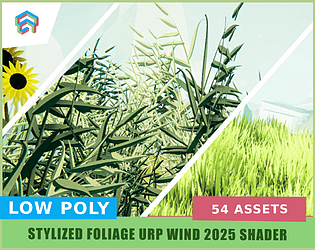
High-performance stylized wind shader for Unity URP. Features toon shading, wiggle effects, and GPU instancing.
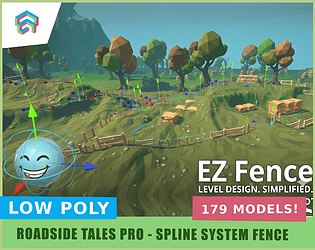
"179 modular fences and EasyFenceTool – craft immersive worlds and guide players with style."
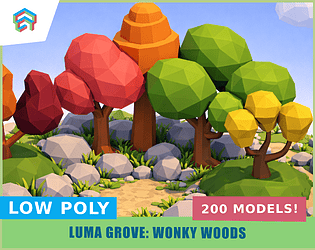
201 modular low-poly prefabs (URP): build forests/rivers/meadows fast—clean minimalist style, high artistic cohesion.
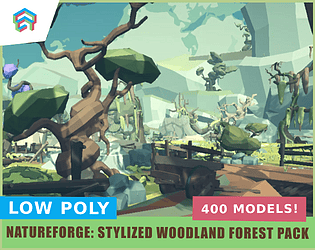
Build mysterious stylized forests. Massive 400+ asset pack with a dark-fantasy touch. Game-ready.
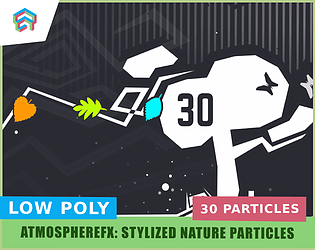
30 stylized particle FX for nature scenes—mist, rain, snow, insects, leaves, and dynamic grass wind.
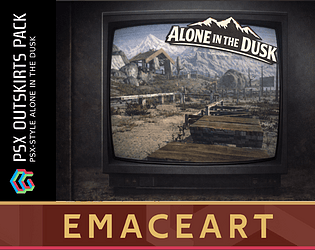
Rusty guardrails, hills and a lonely bridge inspired by classic survival horror
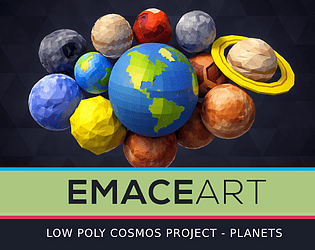
Stylized planet pack with 9 planets, sun & moon. Low/mid poly meshes, 22 prefabs, shared texture
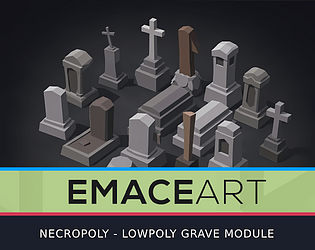
50 Low Poly Grave assets. Optimized 3D models with LODs for Unity, Mobile & VR. modular kit from Necropoly series!
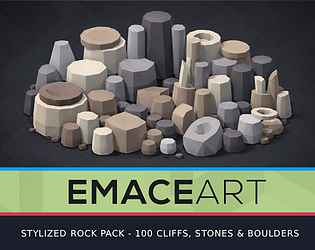
100 stylized low-poly rocks, stones, and cliffs. Prefabs with colliders and LOD. Unity-ready.
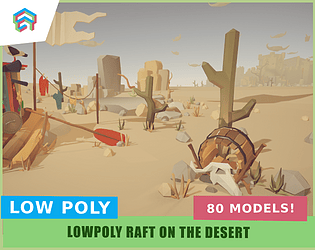
Build stylized desert scenes with 80+ free low poly props – raft, cactus, stones, dry trees, and more.
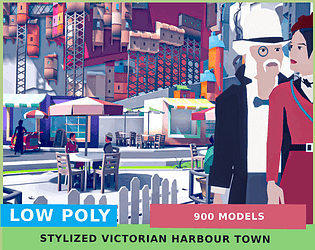
2000+ prefabs — stylized low-poly ART DECO town: harbour, factories, modular buildings and characters.
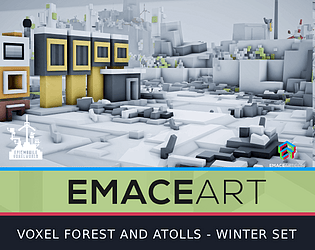
Epic Voxel World: Winter Atolls & Forest – Massive 370+ Modular Asset Pack

Whimsical clay-like alien 130 assets plants, trees, rocks for fantasy and sci-fi worlds.
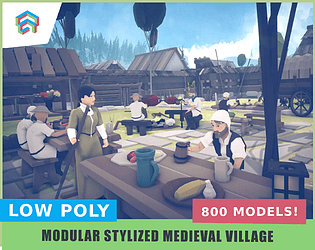
Medieval Pack with +1000 Unity handcrafted 3D assets.
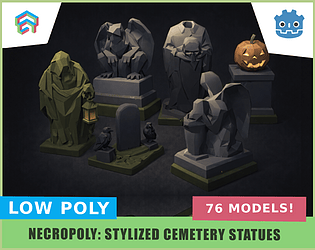
76 low poly prefabs in 3 styles - ideal for spooky or stylized graveyard environments.
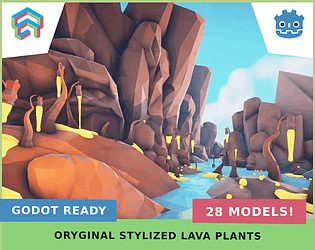
Surreal lava plant pack with 30+ handcrafted low poly assets.
Build dark fantasy worlds fast with 948 handcrafted low poly models.
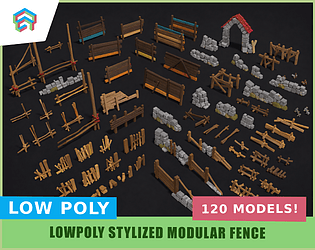
Build seamless landscapes with 120+ low poly fence & wall models.
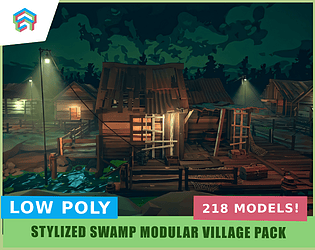
Game-ready swamp pack with 280 modular low poly environment prefabs.
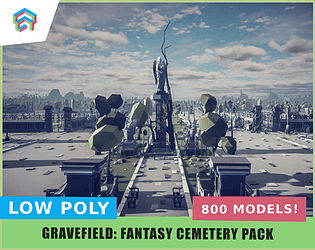
Game-ready 800+ modular graveyard assets with eerie stylized flair.
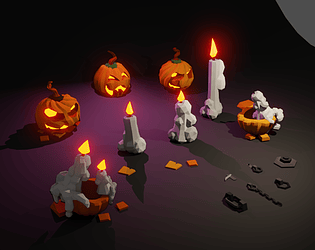
FREE low-poly Halloween props: melted candles, pumpkin-candles, twisted jack-o'-lanterns. Blender sources
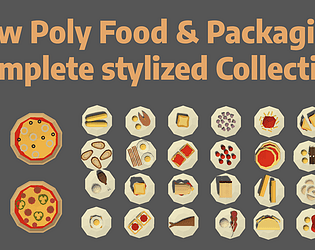
Fill your world with 132 colorful low poly food packages and containers.
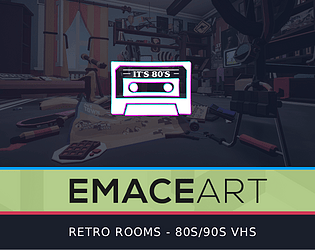
200+ game-ready low-res assets. Build vintage 3D scenes fast.
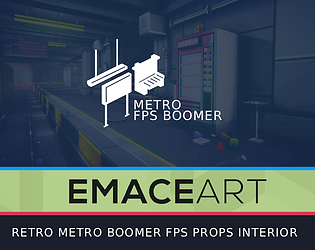
250 voxel subway models with VHS-era pixel art style for VR.
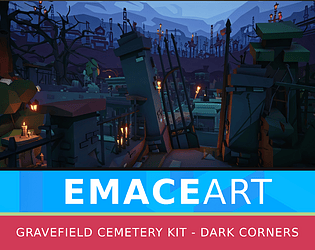
80 prefabs - free atmospheric cemetery sampler with pre-merged scene chunks and environmental dressing.
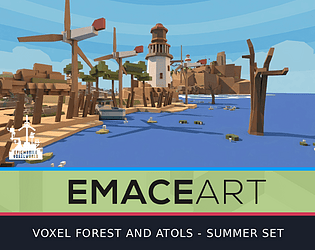
Epic pack with 350+ voxel-style assets for building dynamic worlds.
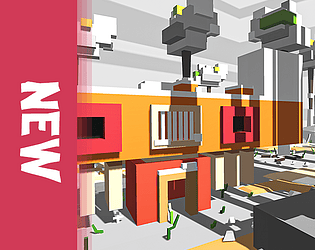
Free voxel-style winter assets for stylized 3D environments.
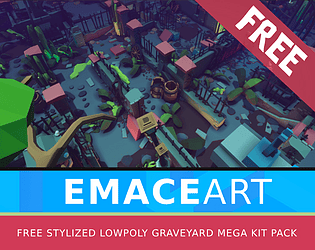
Free spooky environment kit with 74 handcrafted cemetery assets.
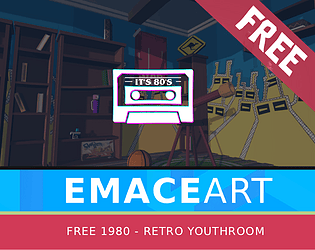
10 midpoly props and retro interiors inspired by the 1980s.
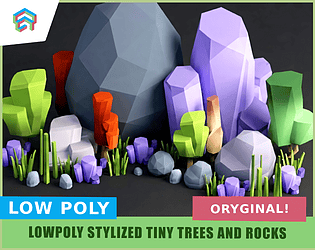
Clean low poly nature pack with stylized trees, rocks, and stumps.
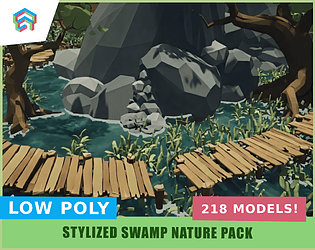
218 unique Game-ready 3D models swamp environment pack
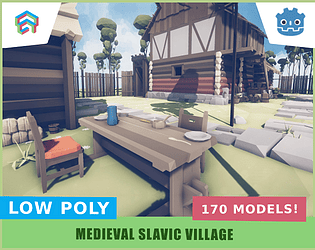
Build fantasy towns fast with 165+ game-ready medieval assets.
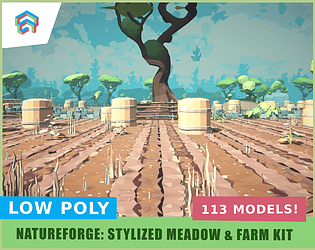
Stylized meadows & farm 113 x assets - trees, rocks, fences, roads, ,build cohesive cozy worlds fast out-of-box.
Recent community posts
itch.io Community » General » Release Announcements · Created a new topic [Free] PHILIPP — stylized modular low poly character (now Humanoid rigged)
Hi everyone,
FREE PHILIPP | Stylized modular low poly character by EmaceArt

PHILIPP is a free, stylized, modular low poly male character for Unity — rigged, animated and drag & drop ready. He's built in a half-polygonal style, so he doesn't blend into the usual low poly crowd.
With the latest update he moved to a Humanoid rig, which means he now works with Mixamo and other Humanoid animation packs out of the box.
In the pack
- 12 prefabs
- Modular clothing
- 10 animations
- Humanoid rig (Mixamo-compatible)
- PC and mobile ready
Free to grab here: [link]
Feedback welcome — happy to hear what you'd build with him.
— Maciej / EmacEArt
itch.io Community » General » Release Announcements · Created a new topic New paid character packs just landed in the bundle — plus fresh FREE releases & full Godot projects
The bundle just got bigger — and this time it's characters.

The bundle just got bigger — and this time it's characters.
Good stuff, everyone. We've added brand-new paid character packs to the bundle, and honestly this is the part a lot of you have been waiting for. Ready-to-use, modular low poly characters are one of the hardest things to find on the 3D asset market — most of what's out there is either environments or overly generic humanoids. These fill exactly that gap.
New paid characters in the bundle
- ART DECO Victorian Citizens — Modular Low Poly Characters
- Slavic Medieval Villagers — Modular Low Poly Characters
Free character — grab it and test the workflow
Fresh FREE releases
- Roadside Tales FREE — Modular Bridge [Godot, Unity, Blend]
- Free Plasticine PBR Material — Substance Texture
Now shipping as complete Godot projects — not loose files, but full ready-to-open projects These aren't just exported meshes dropped into a folder. Each one opens as a proper Godot project: scenes set up, materials wired, ready to run the moment you hit play.
- Roadside Tales FREE — Modular Bridge [Godot, Unity, Blend]
- Free Fantasy Medieval Houses [Godot, Unity, Blend]
- PixelDrift: Metro [Godot, Unity, Blend]
- Free Low Poly — Lava Plants [Godot, Unity, Blend]
- Low Poly Cemetery Statues Pack [Godot, Unity, Blend]
Everything stays handcrafted, stylized low poly — same aesthetic across the whole set. Grab the free ones, dig into the bundle, and let me know what you build. Cheers!
itch.io Community » General » Release Announcements · Created a new topic New free Godot pack — Roadside Tales Free: Modular Bridge
Hey everyone,
I just added a new free pack to my itch page — it slots right into the Roadside Tales series as a modular bridge set. >span class="_animating_yu34g_10" data-newtext-seq="158">Unity Asset Store, and now it's here on itch, free.
👉 Roadside Tales Free – Modular Bridge [Godot, Unity, Blend]

A ready-to-use collection of handcrafted low poly bridges, designed to fit seamlessly into stylized open-world, RPG, and adventure environments. Each mesh ships with optimized colliders — drop them in and play.
Godot users get a full, ready-to-open Godot project — scenes wired up, materials and colliders already set, everything sitting where it should. The pack also ships in Unity and Blend formats.
What's included (21 prefabs, 5 types):
- Bridge Type 1 — 5 variants (520–1200 tris)
- Bridge Type 2 — 5 variants (600–1500 tris)
- Bridge Type 3 — 5 variants (520–1200 tris)
- Bridge Type 4 — 5 variants (170–250 tris)
- Bridge Type 5 — 1 variant (1200 tris)
All prefabs include LOD0 meshes and optimized mesh colliders, plus a demo scene with everything arranged for preview.

Technical details:
- 21 prefabs total
- Optimized colliders on all assets
- Demo scene included
- Godot: full project, ready to open and run
- Compatible with Unity's Built-in Render Pipeline
Grab it, use it in your projects, and if it works for you I'd love to see what you build. Cheers!
itch.io Community » General » Release Announcements · Created a new topic My asset packs are coming to Godot - first projects available
Hi everyone,
I’ve started bringing my asset packs from Unity to Godot. The first projects are already finished and available on itch.io.
For now, I’m only releasing the packs that I feel have reached a solid enough quality after conversion. I’m still improving the workflow, so feedback from Godot users is very welcome.

Free packs already available for Godot:
- https://emaceart.itch.io/pixeldrift-metro-free
- https://emaceart.itch.io/free-fantasy-medieval-houses-and-props-pack
- https://emaceart.itch.io/lava-plant
Paid pack available for Godot:
- Low Poly Cemetery Statues Pack - https://emaceart.itch.io/cemetery-statues
The Statues pack now includes a ready-to-use Godot project alongside the Unity and Blender versions.
I’ll be adding more packs gradually as they become ready. If you find anything during testing that should be improved, let me know.
itch.io Community » Game Development » General Development · Created a new topic Promo Cutter – Automatic GIFs & clips For Your Game made with AI
Hello creators! Automatic GIFs and gamedev clips thanks to AI – how I created a tool that does my marketing for me (Promo Cutter)

As a tech enthusiast, I've been testing how artificial intelligence can make our daily lives easier. I create graphics and game assets myself, which meant I used to spend way too much time on the tedious editing of promotional videos. Recording your work in a program takes just a moment, but cutting out the interesting parts or making GIFs for social media could take a whole evening.
I decided to check if I could write a program with the help of AI that would do it entirely on its own. That's how Promo Cutter was born. The result exceeded my expectations, so I'm happy to share what this automatic tool can do:


Optimized GIFs tailored to platform limits: Anyone who has uploaded materials to itch.io knows the pain of tight file size limits. The program automatically compresses the GIF size (e.g., perfectly under a 3 MB limit) by smartly reducing the number of frames and the color palette, while maintaining a nice, clear resolution. Additionally, it has a feature that detects motion and can automatically crop a wide image into a vertical format for phones.


Lightning-fast Timelapse: The program takes a multi-hour recording and creates a smooth, accelerated video. Best of all – it automatically detects and cuts out boring moments when nothing was happening on screen (e.g., when the system was baking something or compiling, and I was just waiting).
Automatic clip cutting: The app can "review" the recording, evaluate the aesthetics of the frames, and choose the fragments where the most action happened. It can save them as separate, short videos or immediately stitch them into one dynamic montage film.

Recent improvements from battle tests
The program is already working in practice, and thanks to great feedback from my tester Filip, we managed to introduce some fantastic improvements:
- Formats for social media and Fiverr: In addition to GIFs, the program can now generate cropped video clips tailored directly for social media, as well as demanding gallery templates for Fiverr.
- Massive speedup: Instead of analyzing the video multiple times for each format separately, the application now does it all in one go. This shared analysis means that ready-made promotional packs pop out of the program instantly.
- Lighter files and order: We fixed an issue where the finished videos were too heavy. Now they are perfectly compressed and lightweight for publication. The program also started naming files better (adding a clear "original" tag to the source file), so nothing gets lost in the folders.
One quick note – the tool's interface is currently in Polish, as it is still undergoing final development tweaks. However, I am strongly considering hosting the project on GitHub. I would love to develop this app out in the open alongside the community, shaping its future features directly around your feedback and suggestions. What do you think about this idea?
itch.io Community » Game Development » Devlogs · Created a new topic [Devlog] The Silent Heroes of Level Design: Modular Fences & Splines
 Fence systems are often overlooked but essential for believable level design. In this devlog, I break down the creation of a modular spline-based tool, focusing on low-poly optimization and workflow efficiency.
Key topics:
- Designing modular segments.
- Implementing splines for environment building.
- Level designer utility and tool UX.
Full Devlog:
https://itch.io/blog/1505451/the-silent-heroes-of-level-design
itch.io Community » Creativity & Art » 3D Art · Created a new topic [Devlog] ArtWIP: Roadside Tales - Modular Bridges & Environmental Storytelling
The expansion of the Roadside Tales series continues. Following the well-received fences pack, https://emaceart.itch.io/fences-palisades-and-world-boundaries we are moving smoothly into river infrastructure. Main goal: full visual consistency with previous assets and maximizing the ease of environmental storytelling.
Technicals & Modularity I have prepared 12 bridge foundation segments based on a 5x5 grid.

- Snapping: Full freedom to connect and build unique structures.
- Integrated Dressing: Each segment features built-in detail layers (dirt, mud, rocks). The mud and rocks naturally mask geometry seams, ensuring the crossing blends seamlessly into your terrain right out of the box.

Narrative & Level Design These aren't just water-blocking props. They are tools for level design and player guidance. The kit allows for quick assembly of:
- Standard crossings to support world logistics.
- Abandoned river blockades.
- Local customs checkpoints.
- Ruined bridges hiding a troll's lair.
All of this without investing massive amounts of time into manual set dressing. You tell the story simply by placing the assets.

Teaser You can build almost any type of crossing with this, and the asset itself will actually hint at how to best use its potential. This is driven by a dedicated support tool that I'm keeping under wraps for now. 🤫
Let me know in the comments what bridge variations you'd find most useful in your projects!
itch.io Community » Game Development » General Development · Created a new topic Unity Package Experiment — AI-Assisted Workflow & Iteration
Just finished tinkering with this package and had to share — there’s a lot of solid stuff in here 😄
The Story Verge PRO: Low Poly Modular Fence Kit & Tool by EmaceArt
This was a bit of an experiment, with the whole process being pretty heavily AI-assisted — not as a replacement, but more like an extension of thinking while building. Iterating, refining, coming back to the same bits until they finally start to make sense as a system. It’s easy to slip into that hyperfocus loop where you just keep pushing until things click.
And honestly, it worked better than expected. AI doesn’t replace the work, but when it’s integrated well into the workflow, it really changes the pace and the way you iterate.

Best part is always the same: when the chaos stops being chaos and everything suddenly starts to “click” into place.
If you enjoy digging into systems, experimenting with workflows, and combining tools into something your own, it’s worth a look.
Curious how it looks on your side — does AI speed things up for you, or does it end up distracting more than helping?